

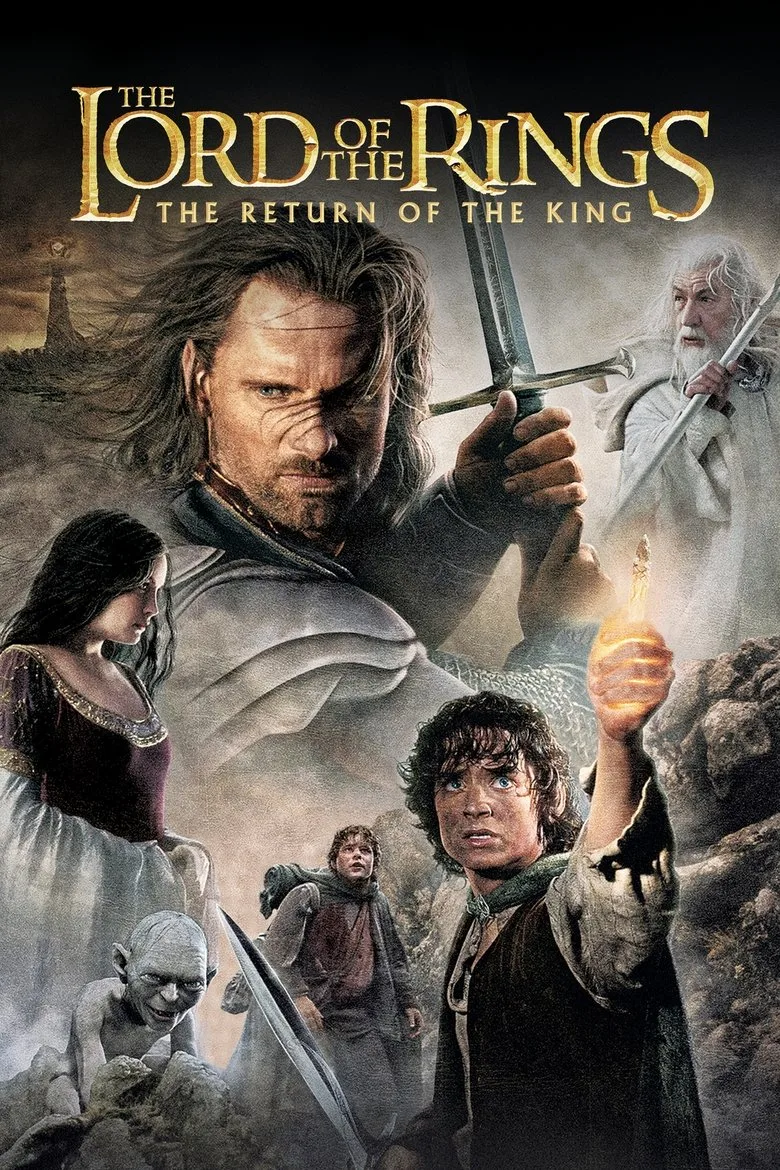
When we talk about The Lord of the Rings: The Return of the King (2003), we are talking about the concluding installment of one of the greatest trilogies in cinema history. But the question that a new viewer asks is not just: Is this film good? Rather: Where do I start? Should I watch the previous parts or can I begin with the ending? This article provides you with a comprehensive practical guide for navigating the world of The Lord of the Rings correctly.
Do You Need a Specific Order?
The short answer: Yes, absolutely. The film "The Return of the King" is not a standalone or independent work by any means. It is part of a complex narrative fabric that builds directly on the events of the two previous installments. Attempting to watch this film without becoming familiar with the dramatic arc, characters, and earlier developments will leave you feeling confused and disconnected from the context.
The film assumes that the viewer already knows: Who is Frodo? What is his journey? Who are his allies? And what are the true stakes in this conflict between light and darkness? Without this background, you will lose much of the emotional and dramatic power of the film.
Chronological Order
If you wish to understand the history of Middle-earth more deeply, you might consider starting with "The Hobbit" trilogy (2012-2014), which takes place about 60 years before the events of The Lord of the Rings. These films tell the story of Bilbo Baggins, Frodo's great-grandfather, and how he discovers the One Ring.
However, from a practical and cinematic standpoint, this chronological order is not necessary for the first-time viewer. "The Hobbit" films add historical context, but they are not a fundamental requirement for understanding the plot of The Lord of the Rings.
Order by Release
This is the strongly recommended option for new viewers:
First: The Lord of the Rings: The Fellowship of the Ring (2001) The first installment introduces the world of Middle-earth, introduces you to Frodo and his four hobbit companions, and explains the nature and danger of the Ring. Here, the foundations of the journey and the human relationships that will become the heart of the story are formed.
Second: The Lord of the Rings: The Two Towers (2002) The second installment escalates the tension, divides the fellowship, and introduces new alliances with important characters such as Aragorn and Legolas. Here the war begins to appear more clearly on the horizon.
Third: The Lord of the Rings: The Return of the King (2003) Only after experiencing the two previous installments will you be truly prepared to watch the conclusion. You will understand the characters' emotions, you will feel the weight of their decisions, and you will truly appreciate the sacrifices that are made.
Where to Start for Beginners
If you have not watched any part of the series before, here is the recommended plan of action:
First Week: Sit down and watch "The Fellowship of the Ring" with full concentration. Do not distract yourself with your phone. This film runs approximately three hours, and every minute matters.
Second Week: After absorbing the first film for at least two days, watch "The Two Towers". You will see how the events unfold, how the group splits into different factions, and how war becomes a tangible reality.
Third Week: Finally, watch "The Return of the King". At this stage, you will be emotionally and dramatically prepared to experience the ending in all its depth.
Viewing Tips
Choose the Right Version: There is a theatrical version and an Extended Edition of each film. The Extended Edition adds approximately 20-50 minutes of additional content. For the first-time viewer, the theatrical version is completely sufficient and easier to digest.
Choose the Right Time: Do not watch these films when you are tired or distracted. Choose a quiet time, dim the lights, and close the doors. These films deserve your full attention.
Do Not Rush: You may feel the urge to watch all three installments in a short period. Do not do so. Leave at least a two-day interval between each part. This allows your mind to process what you have watched and builds anticipation for the next installment.
Read the Books or Not: This is entirely a personal choice. The films are independent from the books and stand strongly on their own. You do not need to read J.R.R. Tolkien's novels to enjoy the films. But if you fall in love with the world, the books provide wonderful additional depth.
A Note on the Music: The film's score is composed by Howard Shore and is one of the most detailed and integrated film scores in cinema. Pay attention to it, for it is not merely background but a character in itself.
Similar Works After Finishing: After completing the trilogy, you may feel the urge to explore similar fantasy worlds. You can then: - Watch "The Hobbit" trilogy if you want more of Middle-earth - Watch the modern "Narnia" series for similar fantasy adventures - Explore "Game of Thrones" if you want a darker and more complex version of fantasy drama - Watch "Willow" (2022) on Disney+ for a blend of adventure and magic
Rating and Context: "The Return of the King" receives a rating of 8.498/10, which reflects the quality of the film in terms of direction, cinematography, and acting performances. But this rating means nothing if you have not watched the previous installments. It is like trying to understand the final scene of a drama film without watching the rest of the film.
Finally, the journey of watching The Lord of the Rings is not just about reaching the third installment. It is about living with the characters, growing with them, and feeling their development across nine hours of cinema. When you finally reach "The Return of the King," you will understand why this series has maintained its impact across the decades.
📝 This article is editorial content based on publicly available information about the film. The author's opinions do not necessarily represent the platform's position, and details may differ from official sources.