

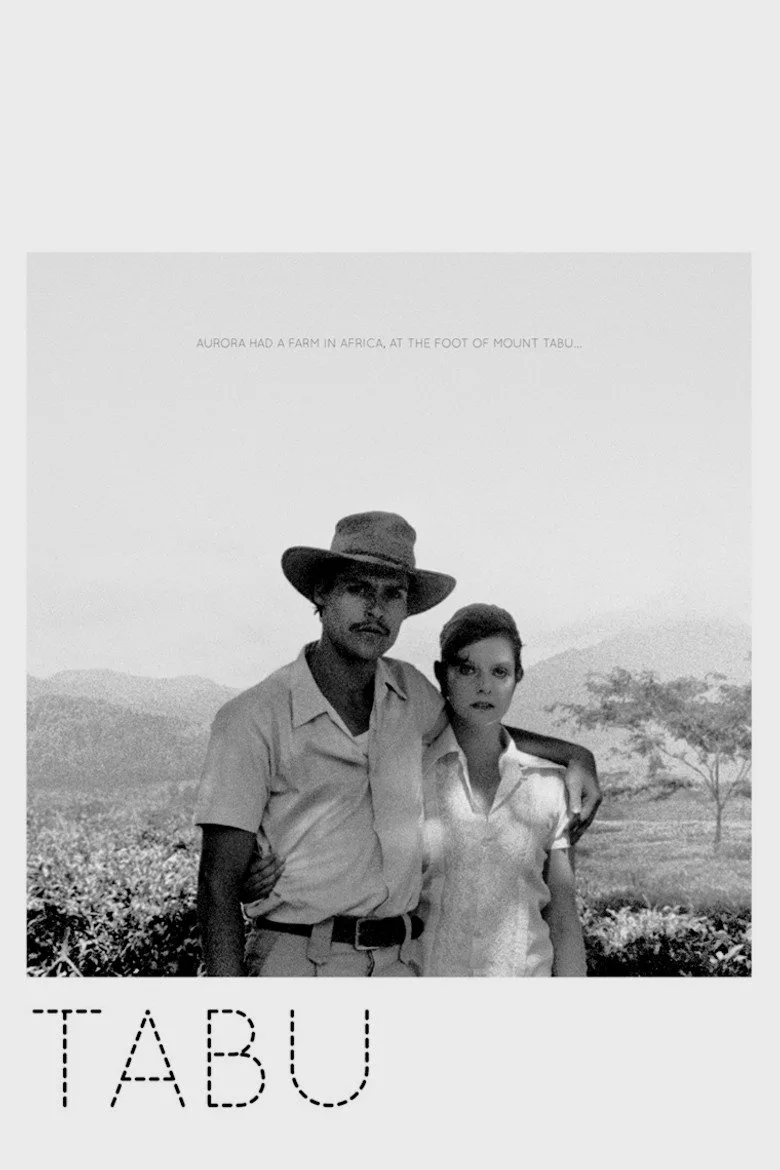
Scene One: Aurora's Death and Her Final Request
The death scene of the elderly neighbor Aurora is among the film's most dramatically affecting moments. In a cold, dimly lit hospital room, Aurora looks at Pilar with eyes that carry a weight no language can bear. Before she passes away, she asks Pilar to seek out a man named Gian Luca Ventura, and to hear from him what she herself was never able to say throughout her entire life. This request, simple on the surface, swings open a wide door into the film's second half and gives the viewer a sense that there is an old wound that never fully healed. What makes this scene so special is its extreme economy of expression — no theatrical tears, no swelling music, only a silence heavy with meaning and a faint light that barely illuminates the faces. ---Scene Two: Pilar's Meeting with Ventura and the Beginning of the Story
When Pilar finally finds the elderly Ventura in a nursing home, the film begins to reveal its deeper layers. The man sits before her with the calm of someone who carries a memory that has lost none of its warmth despite the passing decades, and he begins to recount his love story with Aurora in Africa. What distinguishes this scene in particular is the moment when the voiceover shifts from mere description into living personal testimony. Ventura's face barely moves, yet his eyes carry enough regret and longing for both. Gomes chooses here to trust both his actor and his audience at once, resorting to no artificial effects to steer the emotions, but instead letting the silence do its work. ---Scene Three: The Rock Concert in Africa
In the film's second part, shot in black and white, the concert scene stands out as one of the most vibrant moments — and one most at odds with the film's otherwise quiet tone. A young Aurora stands amid a crowd swaying to the rhythms of rock music, while Ventura watches her from a distance with a look that says everything dialogue could never convey. This scene carries a particular energy because it shows how love in its early stages resembles loud music — chaotic, thrilling, indifferent to everything around it. The camera moves here with an unusual freedom compared to the rest of the film, as though the director is granting this moment of youth and desire a degree of abandon that it deserves. The real music performed in the scene creates a deliberate contrast with the enclosing colonial environment, deepening the sense that this love was, in itself, a form of rebellion. ---Scene Four: The Crocodile in the Swamp
Immediately before the second part, Gomes inserts a brief scene that is strange and poetic all at once — a crocodile moving slowly through dark water in an African swamp. This shot does not belong directly to the main plot, yet it functions as a striking visual metaphor. The crocodile here represents the past that lurks beneath the surface and moves in silence, a memory that appears still but remains alive and capable of striking at any moment. This bold choice reveals Gomes's method of using the image as a parallel language to the narrative, rather than as mere visual backdrop. The viewer sits before this scene without being entirely certain what it means, yet feels its weight instinctively. ---Scene Five: The Ending and the Silent Address
The film chooses to end in a manner entirely consistent with its spirit — no emotional explosion, no fully satisfying dramatic reconciliation. After Ventura finishes recounting his story to Pilar, the camera returns to present-day Lisbon where Pilar resumes her quiet life, though she now carries the weight of what she has heard. What makes this ending so striking is that the film passes no judgment on anyone — not on Aurora for her betrayals and secrets, not on Ventura for his forbidden love, and not on Pilar, who has become the keeper of a memory that does not belong to her. The image ends and the question remains: how many secrets are carried by the faces we pass every day without ever stopping to wonder? This silent address that the film broadcasts in its final moments is precisely what makes the experience of watching it linger in the memory long after the screen goes dark. --- Tabu offers a cinematic experience built on mutual trust between the filmmaker and the viewer. It is a work that believes silence says more than words, and that black and white can reveal what color sometimes conceals. These five scenes are not merely moments in a plot — they are accumulated layers of meaning that together form a portrait of human nature in its relationship with memory, guilt, and a love that finds no place for itself in the light of day.📝 This article is an editorial piece based on publicly available information about the film. The author's opinions do not necessarily represent the platform's position, and some details may differ from official sources.