

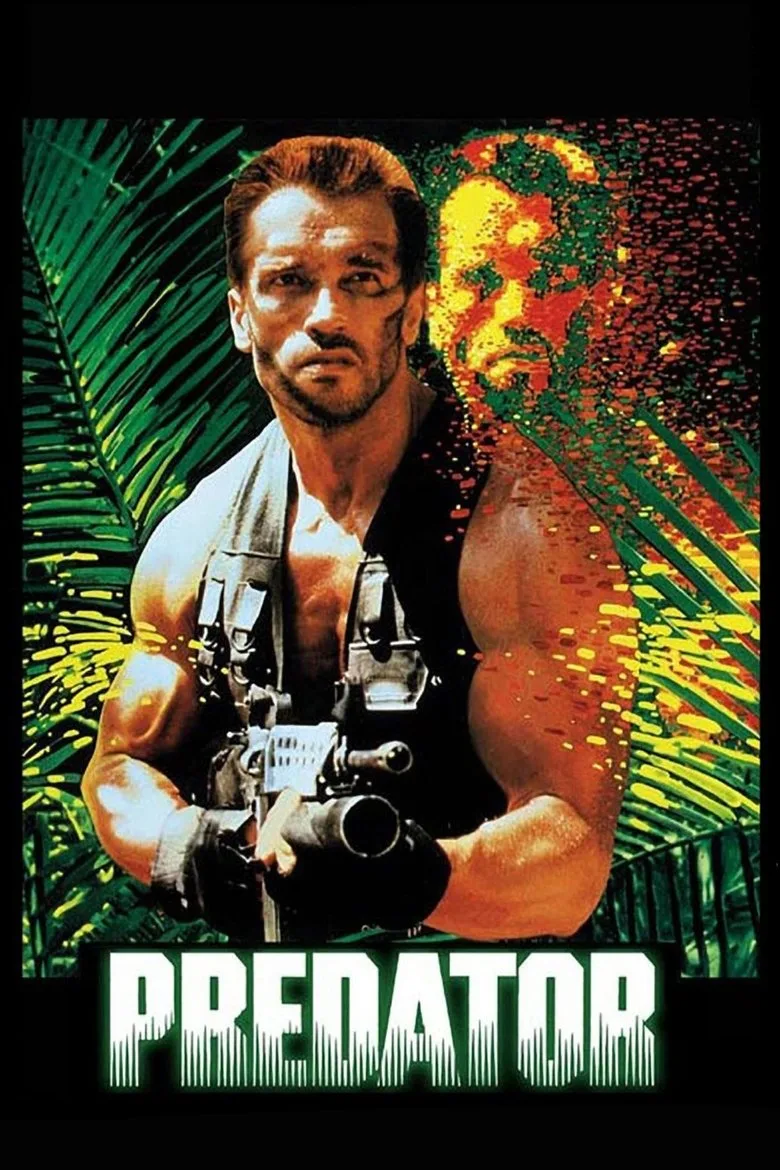
Top Scenes from Predator 1987
Predator, the 1987 film directed by John McTiernan, remains to this day one of the most influential science fiction and action films in the history of American cinema. What allows it to transcend the boundaries of obscurity and stay firmly embedded in the collective memory of audiences is not only its original concept of an alien creature hunting humans through a dense jungle, but those precisely calculated moments that reshape the viewer's relationship with fear, tension, and survival. Below are five of the film's most standout scenes, along with an analysis of what makes each one an indelible cinematic moment. ---1. The Opening Scene: The Space Capsule Enters the Atmosphere
The film opens with a silent, cold image of outer space, as a small capsule glides toward Earth at a deliberate pace. No thundering music, no dialogue, no explanation — just image and sound. This narrative choice carries enormous dramatic weight, because it plants a single question in the viewer's mind before anything else: what is inside that capsule, and why has it come here? What distinguishes this scene is what goes unsaid. Director McTiernan refuses to explain or foreshadow, leaving the mystery open like a wound that will not be healed until the film's end. It is a scene that establishes the visual logic governing the entire film: danger does not announce itself — it arrives quietly before baring its teeth. ---2. The "Something Is Watching" Scene: The Predator's Thermal Vision
One of the most intelligent directorial decisions in the film is the use of a point-of-view perspective through the eyes of the Predator itself. From the very first minutes the creature appears as a faint shadow among the trees, we see the world through its thermal lens: a human body transformed into a map of reds and oranges, where a person is reduced to nothing more than heat and movement — in other words, prey. This scene, and the recurring shots that follow using the same technique, does something rare in horror and thriller films: it places the viewer in the position of the hunter rather than the victim. Suddenly we see what it sees, we track what it tracks, and this generates a kind of doubled anxiety — anxiety for the victims, and a deeper unease born from the feeling that we are unwillingly participating in the hunt. ---3. The Death of Blain: The Moment That Shattered the Illusion of Safety
When Blain, a prominent member of the team, falls — he does not fall heroically or even with any clear dramatic logic. He falls with disorienting speed and unexpected visual brutality. This scene is the point at which the viewer, along with the remaining team members, realizes that no one is protected: not the strongest, not the fastest, and not the most experienced. What makes this moment pivotal is the timing. The film could have prolonged the build-up of suspense, but instead it chooses an early strike — a blow that strips the audience of any sense of safety regarding the remaining characters. From this moment forward, no one is beyond reach of death, and that is the harshest thing a thriller can do to its viewers. ---4. The "The Jungle Fights Back" Scene: Arnold Schwarzenegger and His Men Open Fire on Nothing
After one of the team members falls, the soldiers erupt into armed frenzy: they fire hundreds of rounds, burn through trees, and tear the jungle apart with every weapon at their disposal. The glaring irony is that they hit nothing. The Predator remains absent, barely visible, watching the spectacle coldly from its position. This scene represents the apex of human helplessness in the film. It is a visual commentary on the illusion of military power — these men carry enough firepower to destroy a village, yet they are utterly powerless against an enemy that refuses to play by the rules of direct confrontation. Here, the film speaks to something larger than a mere alien creature: it speaks to the limits of force when faced with an intelligence that surpasses it. ---5. The Final Confrontation: Dutch Face to Face with the Predator
At the film's climax, Dutch (Arnold Schwarzenegger) finds himself completely alone in the jungle — no advanced weapons, no team, his body covered in mud to mask his heat signature from the Predator's eyes. When he finally faces the creature and the moment of truth arrives, the Predator chooses to set aside its weapons and fight with its bare hands, because true hunting does not mean pulling a trigger — it means proving superiority in a matched contest. This moment carries a compelling philosophical layer: the alien Predator holds specific values about honor in combat. It does not want to kill something weak; it wants prey worthy of being defeated. And when it is beaten, when it realizes the end is near, it triggers its self-destruct device — choosing to end in an explosion rather than in defeat. It refuses to be taken as a corpse. Even in death, it is the hunter, not the hunted. ---Conclusion
What unites these five scenes is that none of them relies on surface-level surprise; instead, they build an accumulated tension that makes each subsequent moment heavier than the last. Predator is a film that understands true fear does not come from seeing, but from waiting for the moment when seeing becomes possible. And that is precisely what has allowed it to endure the test of time for more than three decades since its release.📝 This article is an editorial piece based on publicly available information about the film. The author's opinions do not necessarily represent the platform's position, and details may differ from official sources.