

1. The First Goodbye Scene in Seoul
The film opens on a simple farewell in the streets of Seoul between two children, Nora and Hae Sung, but this simplicity of form conceals an immense depth of meaning. Young Nora walks away with her family without looking back much, while Hae Sung stands alone, watching her leave. The scene contains no tears, no speeches — only a distance that slowly widens between two small bodies who had no time to understand the magnitude of what they were losing. What makes this scene so powerful is its awareness of time. We know from the very beginning that this goodbye will carry weight for decades to come, but the characters themselves do not yet know that. The director chose to hold long shots of the sidewalks and streets, as if to say that the place itself will remember this moment. ---2. The Online Conversation Scene, Twelve Years Later
When Nora and Hae Sung reconnect through their computer screens after many long years, it appears on the surface to be nothing more than an ordinary chat between two old friends. But the director constructs the scene with great intelligence; the two separate screens that simultaneously unite and divide them become a vivid visual metaphor for their entire situation. Each is in their own room, their own country, their own life — and yet they speak as though nothing has changed. Here, the question of identity surfaces with force: is the Nora who once spoke Korean as a child still the same person? And does Hae Sung love the Nora he remembers, or the Nora who stands before him now? The dialogue in this scene feels light on the surface, yet it is weighed down by nostalgia and unspoken questions. ---3. The Scene with Nora and Arthur in the Apartment
Arthur, Nora's husband, represents another side of Nora in the film — the side she chose to build with her own hands in a new life. The scene in which they sit together discussing Hae Sung before his arrival in New York is among the most genuinely human moments in the entire film. Arthur does not behave like a jealous husband, but like a person who is truly trying to understand his wife, her history, and her past life. The scene reveals that the film is not a love triangle in the classical sense, but rather an exploration of the concept of choice. Nora chose Arthur, yet she never forgot Hae Sung. Both of them live inside her at the same time. Arthur asks quietly, "Do you wish you had never left?" — and Nora's silence before answering says more than any word ever could. ---4. The Walking Scene in New York
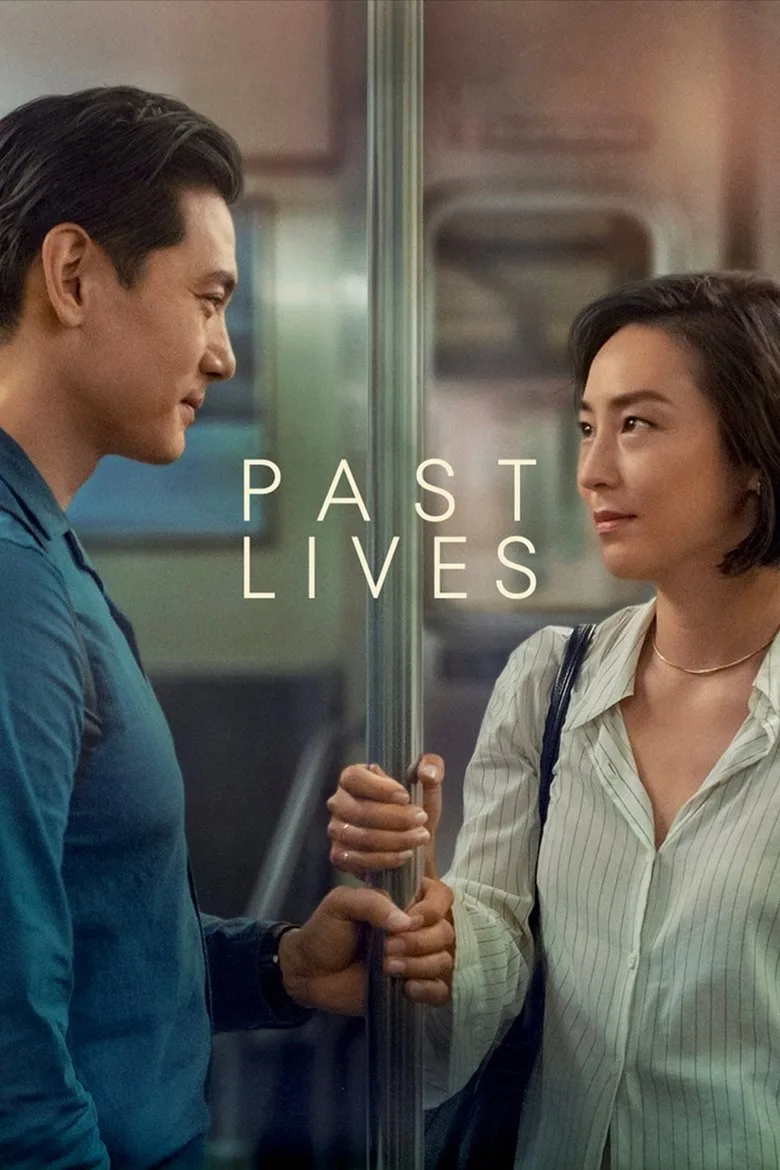
When Nora and Hae Sung meet face to face in New York for the first time in years, the director chooses to place them in the bustling open space of the city rather than a quiet, enclosed room. This visual choice carries a clear significance: their lives do not unfold in a vacuum, but in the midst of the real world with all its noise, its people, and its motion. The scene passes through moments where they fall completely silent and simply walk side by side. That silence does not point to emptiness but to fullness; there is something each of them wants to say, yet they both understand that words may not be the right place for certain truths. The camera follows them from a distance at times, as if out of respect for the privacy of this encounter. ---5. The Final Scene at the Taxi
The film closes with a scene widely regarded as one of the most affecting endings in contemporary cinema. Nora says goodbye to Hae Sung as he gets into a taxi to return to Seoul. The farewell resembles none of the conventional cinematic goodbyes — no swelling music, no long embrace, only one last look and a door closing shut. Yet what this scene accomplishes is a reinterpretation of everything that came before it. Nora weeps as she returns to her apartment, where Arthur is waiting for her, and in those tears lies everything: grief for what could have been, gratitude for what exists, and a quiet acceptance of the idea that life does not grant us every version of itself all at once. The scene embodies the Korean concept of "inyeon," which speaks to the fated connection between people across time and across lifetimes. ---Conclusion
What makes these scenes work so profoundly is that Past Lives never tries to convince you that anyone was wrong or right. The film grants its characters complete freedom to be complex, honest, sad, and happy all at the same time. Each scene adds another layer to this understanding: that life is a series of choices that build entire lifetimes, and that the other lives we never lived do not disappear — they simply continue to walk beside us, quietly.📝 This is an editorial article based on publicly available information about the film. The author's opinions do not necessarily represent the platform's position, and some details may differ from official sources.