

The Direct Answer
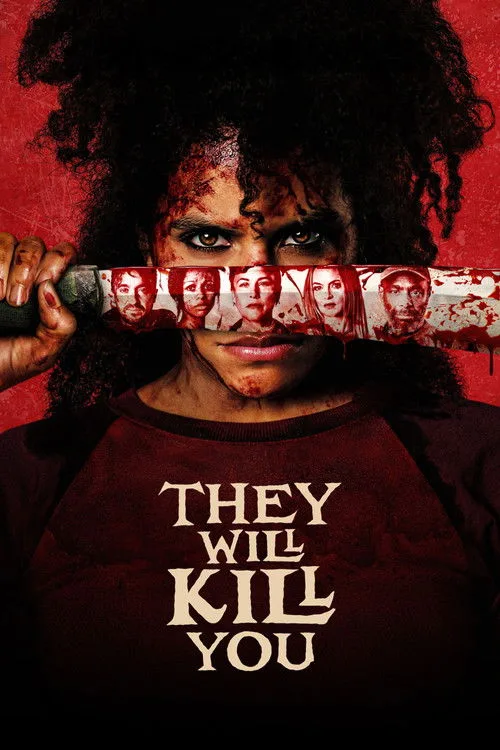
They Will Kill You, a 2026 production, is not based on a true story in the direct, literal sense. The film relies on an original screenplay written specifically for the big screen, not adapted from officially documented real events. However, this does not mean the film is devoid of real inspiration or the authentic roots that feed its dark narrative.
The True Story Behind the Film
Although the film is not directly adapted from a specific incident, the filmmakers drew inspiration from real phenomena present in modern society. These phenomena revolve around secret cults and closed communities that practice mysterious rituals away from public view.
The screenplay draws from contemporary anxiety about luxury residential buildings in major cities, particularly New York, and what might be hidden behind their walls and gates. There are genuine reports of closed communities and secret organizations that conduct their activities in isolation from mainstream society, providing strong inspiration for psychological horror stories of this nature.
The director chose New York as a geographical setting for multiple reasons: the city is known for its rich history of suspicious tales and mysterious figures, and it contains old residential buildings that provide the appropriate atmosphere for building tension and horror on screen. All these factors combined created fertile ground for the story without needing to be a direct recreation of one specific incident.
The Difference Between Fact and Fiction
It is important to distinguish between what is real and what is fictional in They Will Kill You. While the background and general concepts may be rooted in social reality, the specific events, characters, and rituals in the film are products of cinematic imagination.
The terrifying secret rituals practiced by the group in the film, the specific conspiracy against the film's protagonist, and the dramatic sequence of events—all of this is the invention of the writing and directing team. What distinguishes the film is that it takes elements from reality (the existence of closed communities, janitors who might go unnoticed, the class divisions of urban society) and blends them with frightening fictional elements to produce a cohesive horror experience.
This approach is common in psychological horror filmmaking, where writers and directors use fear of the unknown and genuine social anxiety as a starting point for their fictional stories. The result is films that feel realistic and credible, even if they are not connected to specific real events.
Real Characters in the Film
It is important to clarify that the film's characters, including the young protagonist and the mysterious members of the group, are not real people from reality. There is no specific person who inspired the protagonist's character, and there is no known real cult depicted in the film under its actual name.
The absence of real characters gives the filmmakers greater creative freedom in developing their characters without legal or ethical constraints related to defaming real people. This allows them to focus entirely on cinematic fear and the artistic value of the story rather than the limitations that might come with adapting real events.
Our Take
They Will Kill You represents a smart approach to contemporary horror filmmaking. Rather than seeking legitimacy by claiming a true story—a common marketing ploy—the filmmakers chose to rely on the quality of the screenplay, direction, and acting performances.
The rating of 6.7/10 indicates that the film offers a viewing experience of moderate quality, but this does not diminish the artistic value of its concept. The film deserves to be watched for multiple reasons: its original story, its unsettling atmosphere, and the deeper human question it raises about isolation, belonging, and survival in complex societies.
Ultimately, the strength of They Will Kill You lies in its ability to transform genuine social anxiety into a frightening dramatic experience, without needing to be "based on a true story" in order to be a film worth watching and thinking about.
📝 This article is editorial content based on publicly available information about the film. The author's opinions do not necessarily represent the platform's stance, and details may differ from official sources.