

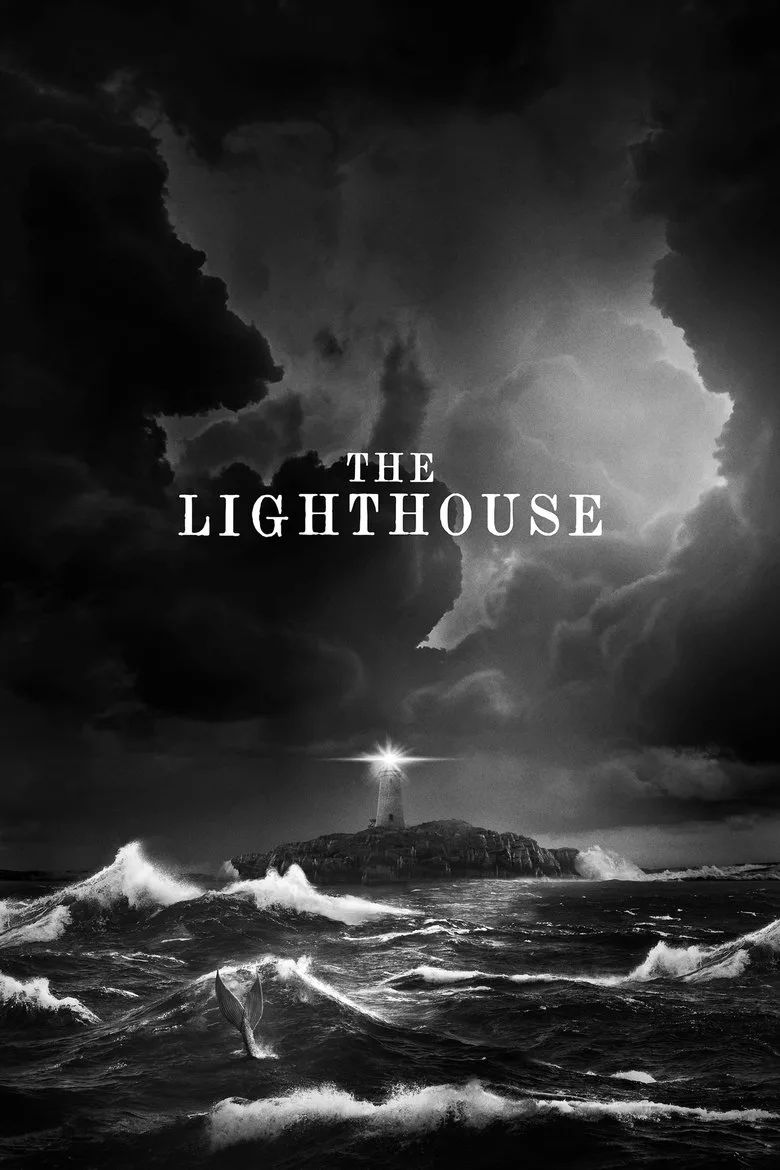
When we talk about The Lighthouse, the film directed by Robert Eggers in 2019, we are talking about an artistic work that carries a mysterious and magical character that makes the viewer continuously question the boundary between reality and fiction. But the fundamental question remains: is this film based on actual events that really happened?
The Direct Answer
The answer to this question is not as simple as it may seem. The Lighthouse is not directly adapted from a specific true story, but it is certainly inspired by real events and historical maritime traditions. Director Robert Eggers conducted an in-depth study of the lives of lighthouse keepers and the psychological isolation suffered by these individuals, which led to the creation of an original artistic work that was not tied to a specific story but rather evoked the spirit of that era and its harsh circumstances.
The True Story Behind the Film
When Robert Eggers was asked about the sources of his inspiration for the film, he pointed to several factors that contributed to the development of the screenplay. First, the film was based on historical studies about the lives of workers in maritime lighthouses during the nineteenth century, particularly in North America. These keepers worked under extremely difficult conditions, completely isolated from society, which led to severe psychological states and sometimes madness.
Second, Eggers drew inspiration from numerous documented historical incidents that occurred in lighthouses, where violent disputes between workers broke out and reached the point of murder in some cases. Those real events, despite their variety, shared a common element: the mental breakdown resulting from continuous isolation and hard work under harsh conditions. This common element is what the director latched onto and transformed into the heart of his film story.
It should also be noted that Robert Eggers relied on maritime literature and folklore, particularly the tales and legends surrounding lighthouses and the sea. He read many historical novels and old maritime records, which enriched his artistic vision for the film with real historical details mixed with imaginary elements.
The Difference Between Truth and Fiction
Here lies the fundamental difference between what we might expect and what the film actually presents. While the story is based on a solid factual foundation, the dramatic development and elements of dark fantasy that Eggers adds are products of pure imagination. The strange lights that surround the lighthouse, the mysterious visions that the characters experience, and the supernatural elements that permeate the film are all inventions of the director and have no basis in reality.
The film uses these imaginary elements not to decorate the story, but to embody the psychological state of the characters. Isolation and madness are not expressed through purely realistic dialogue, but through distorted cinematic visions that reflect the deterioration of the mental state of the two men. This artistic choice transforms the film from mere realistic psychological drama into an immersive and uncomfortable cinematic experience.
The dialogue also blends the realistic with the fictional. Eggers used real historical maritime dialects and vocabulary, but the manner in which the dialogue is presented takes on a poetic and sometimes illogical character, which reflects the psychological erosion of the characters.
Real Characters in the Film
Although the main characters in the film—Thomas Winsett and Everett Toole—are fictional characters, they represent real types of people who worked as lighthouse keepers. The class conflict between them (where Willem Dafoe plays the role of the foreman while Robert Pattinson plays the role of the new worker) reflects real social dynamics that existed in those environments.
The older man monopolizes the authority of the lighthouse and its resources, while the younger one suffers from injustice and exploitation. This pattern of conflict was very common on old ships and lighthouses, where the hierarchical system was strict and unjust. In this sense, the characters, although fictional in name, are real in nature and behavior.
Our Opinion
The Lighthouse presents a masterful example of how a filmmaker can take historical facts and real contexts and transform them into an original work of art that did not exist before. The film is not a specific true story, but it is certainly a story inspired by reality. This hybrid between the realistic and the fictional is what makes the film unique and artistically powerful.
It can be said that Robert Eggers did not need a specific true story to create an impactful cinematic experience. Simply through a deep understanding of the era and the psychological and social conditions experienced by these people, he was able to create a film that makes the viewer feel they are experiencing a real reality, even if most of its events are fictional.
The film, with its rating of 7.476/10, receives great appreciation from critics and viewers, not only because it contains superior acting performances, but also because it achieves a delicate balance between historical authenticity and artistic boldness. It is a film that proves that the best cinematic stories do not necessarily need to be literally true, but only need to be psychologically and artistically honest.
📝 This article is editorial content based on publicly available information about the film. The author's opinions do not necessarily represent the position of the platform, and details may differ from official sources.