

Fifty Shades Freed vs Call Me By Your Name — Which Film Works Better?
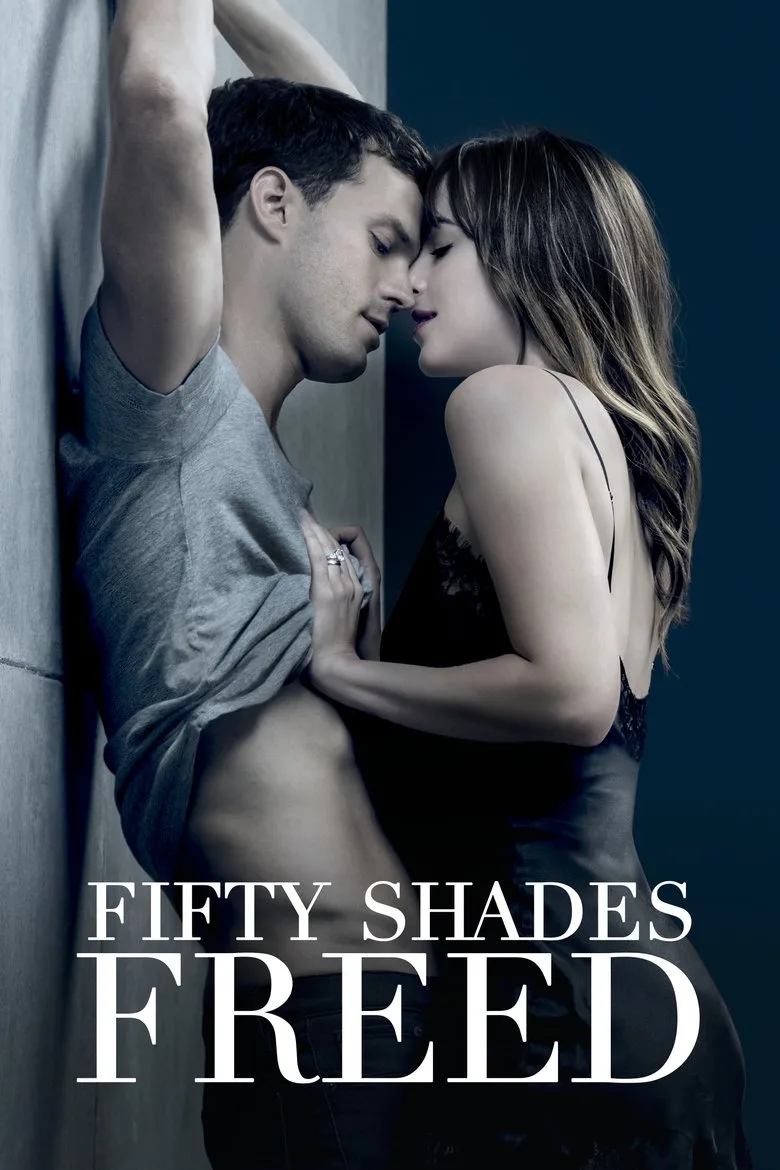
In the world of contemporary romantic drama, Fifty Shades Freed occupies a controversial position among critics and audiences. The third film in the "Fifty Shades" series attempts to present a natural progression of the relationship between Christian Grey and Anastasia Steele, after their affair has transformed into marriage. But the question that arises here is: did the film succeed in presenting a balanced dramatic story worthy of the trilogy's conclusion? To answer this question, we will conduct an in-depth comparison between it and "Call Me By Your Name" (2017), which is considered one of the finest works of the romantic drama genre in recent years.
Overview of Both Films
"Fifty Shades Freed" addresses the phase in which the newlyweds begin their new life together. Christian, the man who built his empire on control and domination, finds himself facing new tests: protecting his wife from enemies of the past, and dealing with the jealousy that threatens his psychological stability. For her part, Ana attempts to escape the overwhelming influence of Christian's personality and find her own identity. External threats intensify the tension between them, transforming the film into a lesson in trust and fear of losing a stable life.
As for "Call Me By Your Name," it tells the story of a summer romance between Elio, a talented seventeen-year-old Italian boy, and Oliver, a graduate student visiting his family's villa. The film moves with deliberate slowness, capturing every glance and every moment of silence between the characters, creating deep psychological tension. Unlike "Fifty Shades Freed," the Italian film does not focus on external drama or threats, but rather on the inner world of the characters and their subtle emotional development.
| Criterion | Fifty Shades Freed | Call Me By Your Name |
|---|---|---|
| Release Year | 2018 | 2017 |
| Duration | 105 minutes | 159 minutes |
| Rating (IMDb) | 6.67/10 | 8.0/10 |
| Main Genre | Contemporary Romantic Drama | Coming-of-Age Romantic Drama |
| Settings | Contemporary Urban | Classic Italian Countryside |
| Primary Focus | External Drama and Conflicts | Internal Journey and Emotional Exploration |
| Dialogue Type | Direct and Fast-Paced | Subtle and Rich with Meaning |
Comparison in Story
The fundamental difference between the two films lies in the structure of their dramatic narrative. "Fifty Shades Freed" relies on the principle of external drama: there is a clear antagonist (someone from the past), there is a tangible threat, and there is a point of conflict that must be resolved. This narrative model makes it easy for audiences to follow the events, but it leaves less room for curiosity and psychological exploration.
In contrast, "Call Me By Your Name" uses internal drama as the driver of the narrative. There is no clearly defined external problem; rather, the tension arises from the psychological struggle of the characters between what they feel and what they can do about it. The story progresses seamlessly, and each scene adds a new layer of emotional complexity.
In terms of narrative commitment, "Fifty Shades Freed" attempts to end the trilogy in a relatively inevitable way: the couple faces problems, but love triumphs. "Call Me By Your Name," on the other hand, ends in a more complex and human way, where there is no clear victory but rather a deep understanding of loss and memory.
Comparison in Acting Performance
Jamie Dornan and Dakota Johnson in "Fifty Shades Freed" deliver a professional performance that reflects the development of the characters throughout the trilogy. Dornan shows the ability to convey psychological vulnerability beneath a mask of control, while Johnson gradually breaks free from the constraints imposed by the previous films. However, the dialogue sometimes makes it difficult for the actors to appear completely natural in certain scenes.
Timothée Chalamet and Armie Hammer in "Call Me By Your Name" deliver performances that are considered among the finest European cinema has witnessed in recent years. The pair does not need much dialogue; their glances and body movements speak volumes. Chalamet, in particular, delivers a sensitive performance that reflects fear, desire, and longing. The actors leave room for emotion to live between the lines.
Comparison in Direction
"Fifty Shades Freed" is directed by James Foley, an accomplished director of commercial romantic films. His directing style focuses on visual clarity and rapid sequencing of events. The camera moves quickly, transitions are sharp, and the music helps propel the emotion. This approach serves a story that relies on movement and suspense.
Luca Guadagnino, director of "Call Me By Your Name," follows a completely different cinematic philosophy. Every shot looks like a work of art; light comes through windows naturally, warm colors dominate the scenes, and the camera is often static, allowing the actors to move within the frame. This approach creates an atmosphere of timelessness and classical beauty.
In terms of cinematography, "Call Me By Your Name" excels thanks to the choice of colors and lighting that reinforce the overall mood of the film. "Fifty Shades Freed," for its part, uses cinematography to serve the rapid, practical narrative more than for artistic expression.
Who Each Film is Suited For
"Fifty Shades Freed" is suitable for those who seek:
- Series followers who want to know how the story ends
- Lovers of fast-paced romantic drama
- Audiences who prefer external drama over internal
- Those who expect a clear positive ending
"Call Me By Your Name" is suitable for those who seek:
- Lovers of artistic and European cinema
- Those who appreciate subtle acting and rich dialogue
- Those interested in deep psychological and emotional drama
- Those who desire a slow and contemplative cinematic experience
- Lovers of films that leave audiences questioning and thinking after they end
Final Verdict
When comparing the two films, it is clear that each serves a different purpose. "Fifty Shades Freed" is a commercial film that adequately completes a famous series. It delivers what audiences expect: emotion, drama, and intimate scenes. The rating of 6.67/10 reflects moderate satisfaction; the film does not disappoint greatly, but it does not really offer anything new to the genre.
"Call Me By Your Name," with its rating of 8.0/10, reflects broad critical recognition that it is a superior dramatic work. The film transcends the traditional boundaries of romantic drama and rises to the level of serious cinematic art. This does not mean "Fifty Shades Freed" is a bad film; rather, it is a successful commercial film that knows exactly what it wants to deliver.
If you have time to watch only one film, and you are looking for a rich and profound cinematic experience, "Call Me By Your Name" is the better choice. But if you are a series follower or want a fast-paced modern romantic drama, "Fifty Shades Freed" will provide the entertainment you're looking for. The two films are not in the same category at all; one moves quickly toward answers, while the other reflects on questions.
📝 This article is editorial content based on publicly available information about the film. The author's opinions do not necessarily represent the position of the platform, and details may differ from official sources.